 Curations



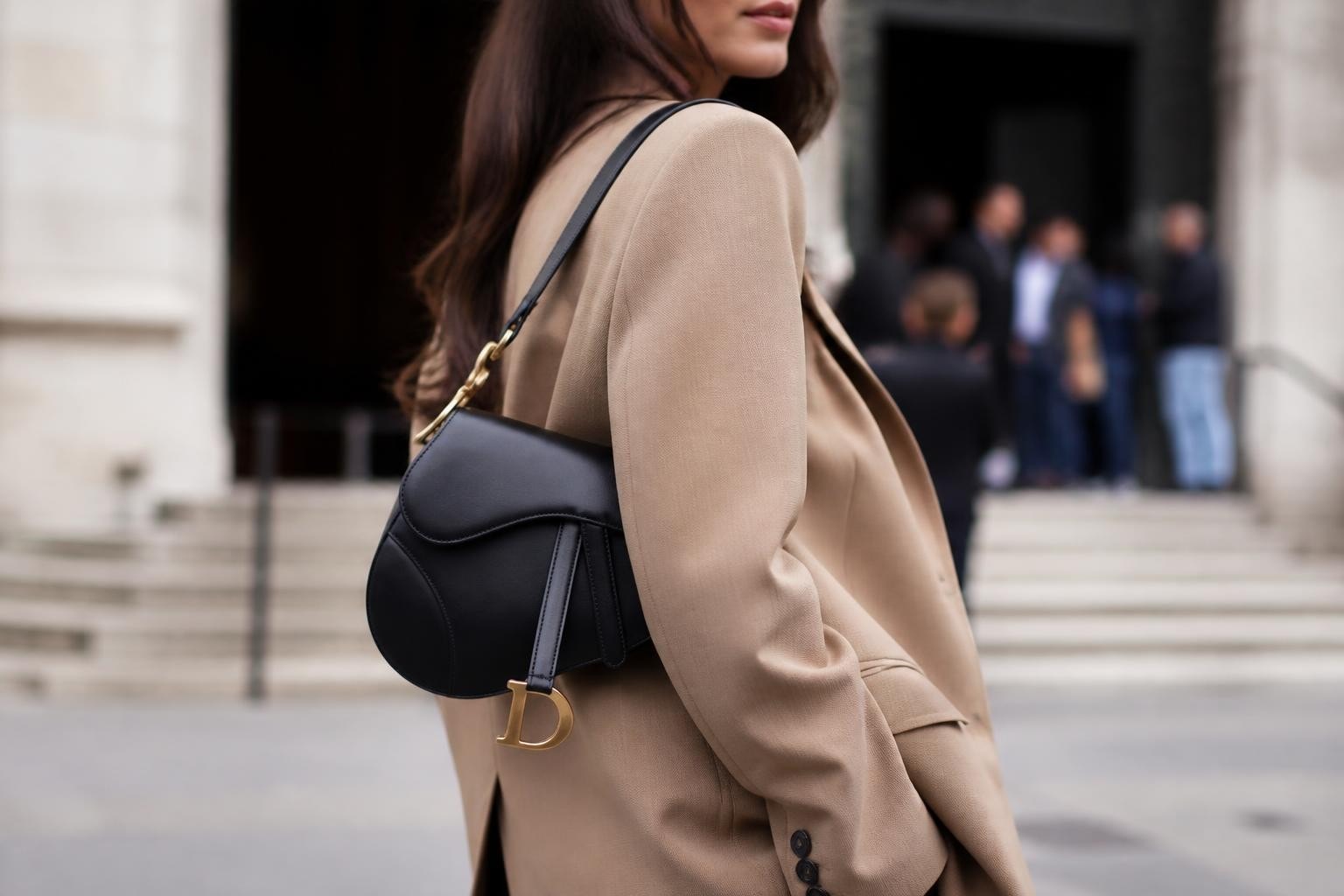
The designer saddle bag has become one of the most recognizable silhouettes in modern luxury fashion. Defined by its curved, equestrian-inspired shape, the saddle bag combines distinctive design with practical proportions and a strong connection to fashion history.
For today’s luxury collector, however, choosing a saddle bag involves more than finding an attractive shape. Brand, leather, craftsmanship, condition, hardware, size, authenticity and provenance can all influence the desirability of an individual piece.
At BirkinVault, our expertise is centered on the world of collectible Hermès handbags, where the same principles of craftsmanship, rarity, condition and collector demand play an important role in evaluating exceptional luxury pieces.
Whether you’re searching for a classic Dior Saddle Bag, exploring other designer interpretations or comparing the saddle silhouette with an Hermès Birkin, this guide explains what to look for before making a luxury handbag purchase.
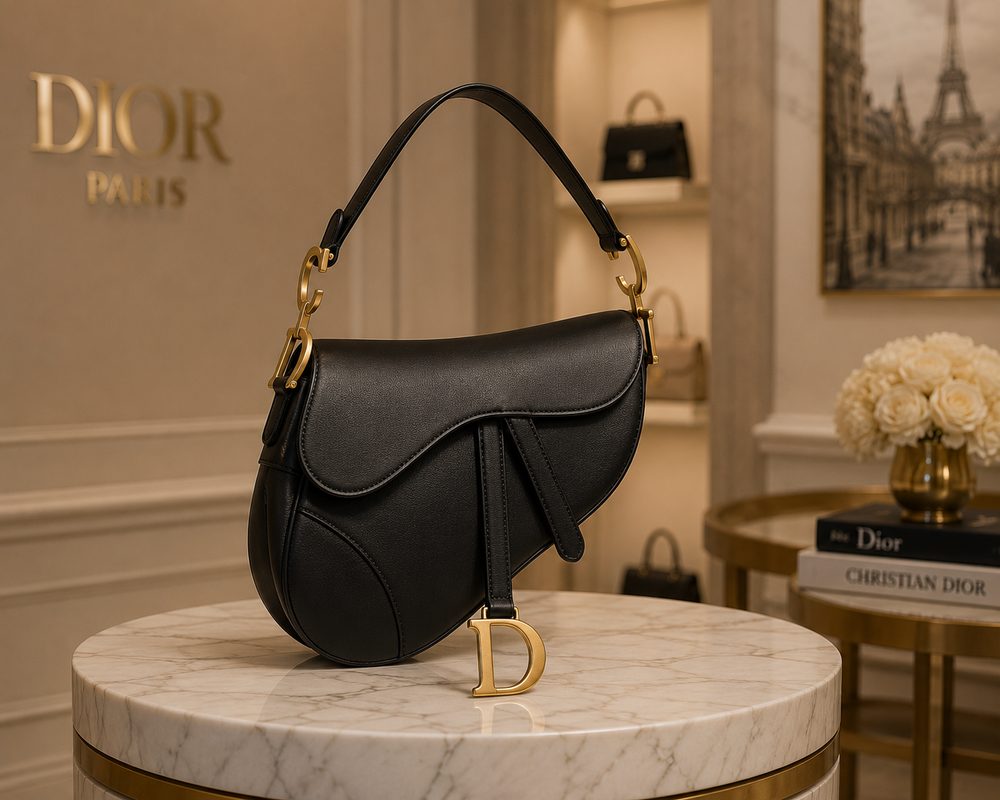
What Is a Designer Saddle Bag?
A designer saddle bag is a handbag characterized by its curved silhouette, traditionally inspired by the shape of an equestrian saddle.
The design is immediately recognizable because of its asymmetrical or rounded construction, curved base and distinctive flap or closure.
The silhouette has been interpreted by several major luxury houses, with different designers introducing their own materials, hardware, proportions and branding.
The result is not one specific handbag but an entire category of luxury bags united by their distinctive saddle-inspired form.
The History of the Saddle Bag
The saddle silhouette has roots in equestrian design, but its modern luxury-fashion identity developed through the work of major fashion houses.
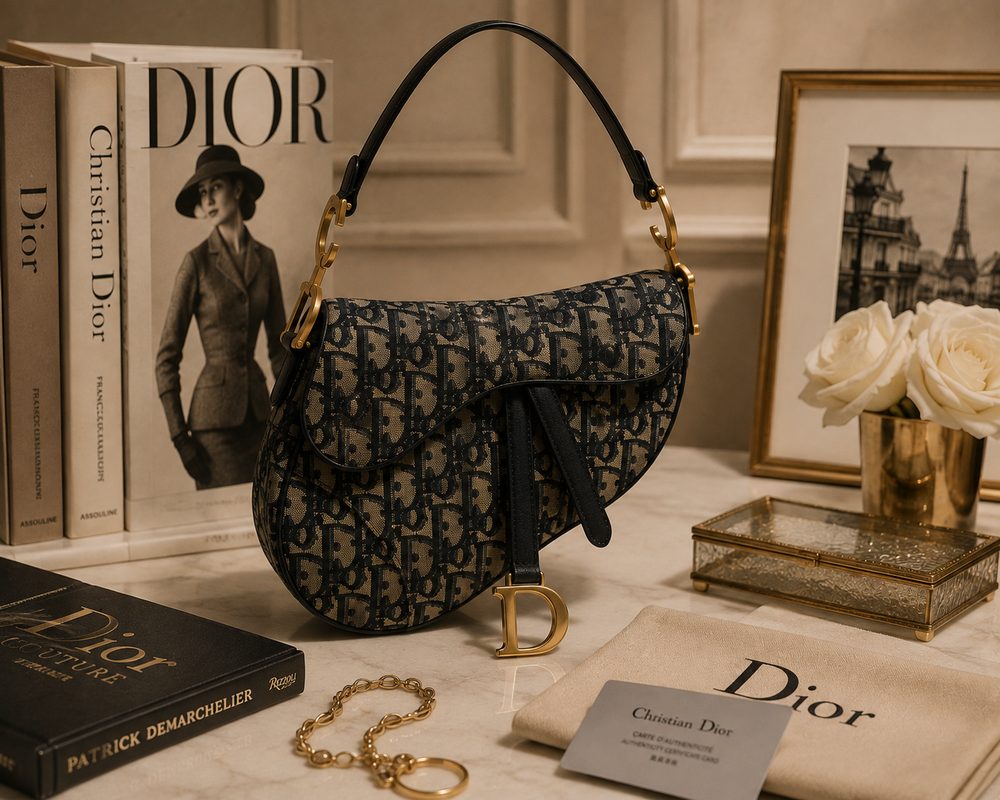
One of the most recognizable examples is the Dior Saddle Bag, originally introduced in 1999 during John Galliano’s tenure at Dior. Its distinctive curved shape became closely associated with early-2000s fashion and later returned to prominence as interest in Y2K-era fashion grew.
That history is part of what makes vintage saddle bags interesting to collectors.
A handbag connected to a significant fashion era can have appeal beyond its practical function. It can represent a particular designer, collection, cultural moment or period in fashion history.
Why Are Designer Saddle Bags So Popular?
Several characteristics make the saddle silhouette particularly attractive.
Distinctive Shape
Unlike conventional rectangular handbags, the curved construction immediately stands out.
Fashion Heritage
Some saddle bags are associated with important moments in fashion history.
Versatility
Depending on size and strap configuration, a saddle bag can work as a shoulder, crossbody or handheld accessory.
Collector Appeal
Vintage, discontinued and limited-edition versions can attract collectors interested in particular eras or materials.
Strong Visual Identity
The silhouette photographs exceptionally well, making it particularly recognizable in luxury fashion photography and editorial styling.
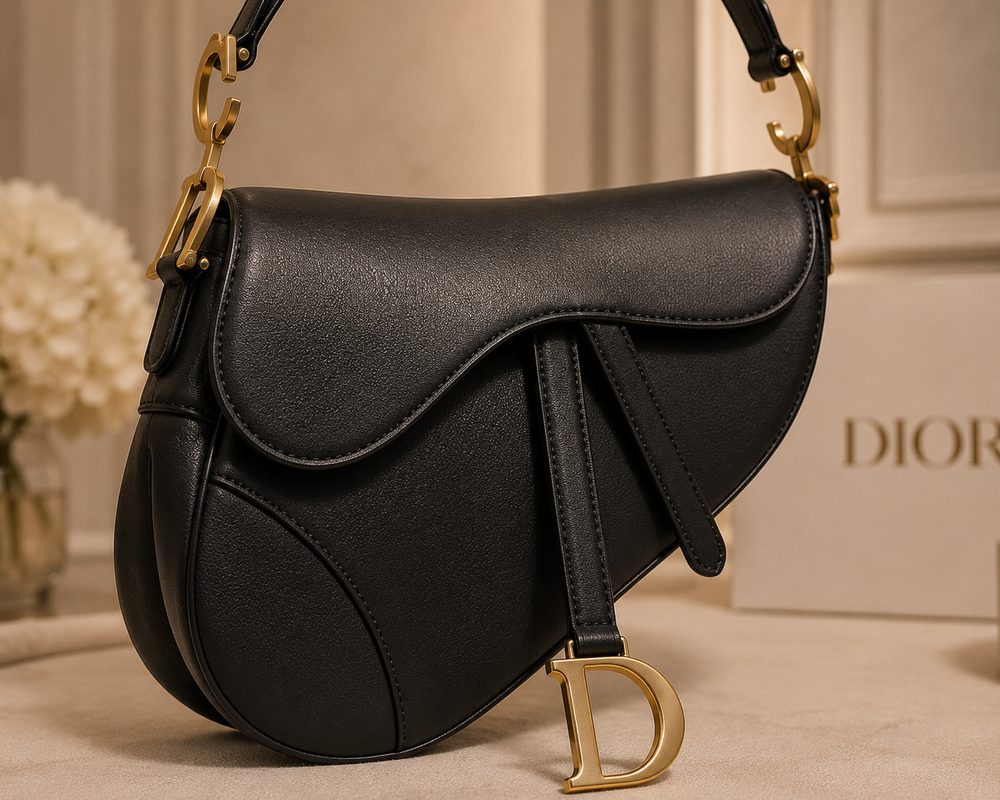
Designer Saddle Bag vs Traditional Luxury Handbag
One of the most appealing characteristics of the saddle bag is that its shape does much of the visual work.
A traditional structured handbag may emphasize symmetry and clean architectural lines.
A saddle bag deliberately moves in the opposite direction.
Its curved body creates a softer, more organic appearance while maintaining a recognizable luxury profile.
This makes the saddle silhouette particularly appealing to collectors who want a handbag that feels distinctive rather than conventional.
The Dior Saddle Bag
The Dior Saddle Bag remains one of the most recognizable examples of the category.
Its association with the late 1990s and early 2000s gives vintage examples a particularly strong fashion-history connection.
Modern versions have also expanded the range of materials, colors, patterns and sizes available to collectors.
When buying a pre-owned Dior Saddle Bag, however, the exact example matters.
A vintage piece and a contemporary version may have very different:
- Materials
- Hardware
- Interior construction
- Branding
- Production details
- Condition
- Collector appeal
That is why buyers should evaluate the actual handbag rather than relying only on the model name.
Other Luxury Houses and Saddle-Inspired Designs
The saddle concept has influenced many areas of luxury handbag design.
Different houses have interpreted the shape through:
- Smooth calfskin
- Grained leather
- Suede
- Canvas
- Embroidered textiles
- Exotic materials
- Gold-tone hardware
- Silver-tone hardware
- Minimal branding
- Statement logos
Each interpretation has its own personality.
For collectors, this variety makes the category particularly interesting because the same fundamental silhouette can look completely different depending on the materials and construction.
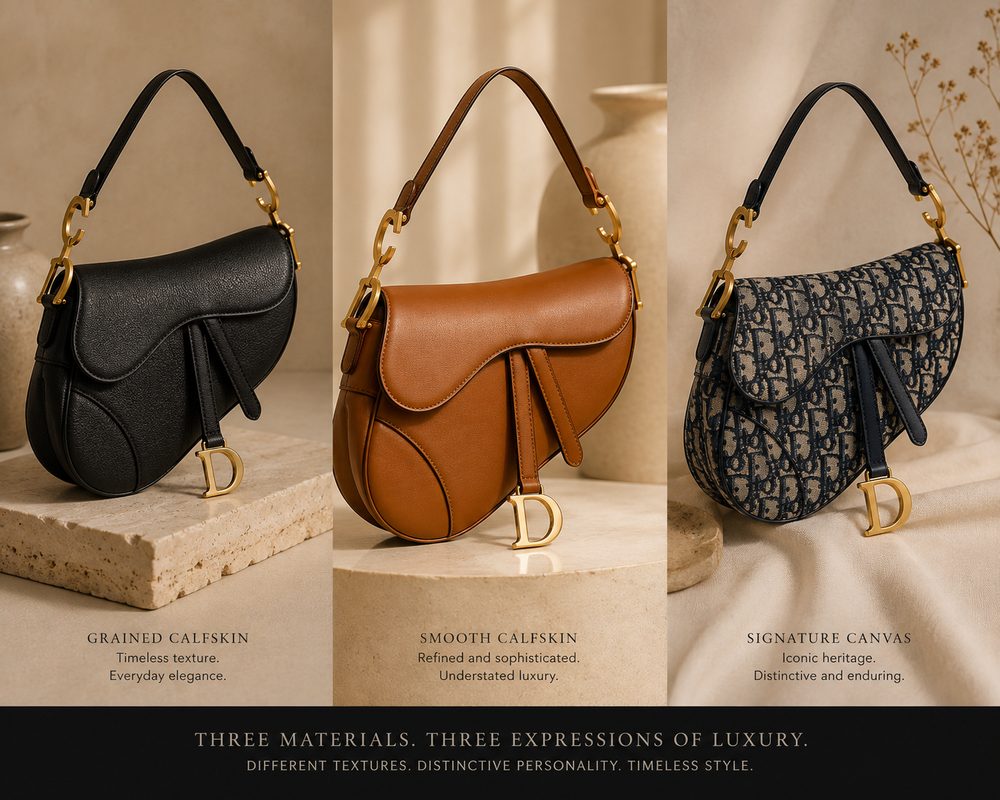
Choosing the Right Leather for a Designer Saddle Bag
Leather can dramatically change the appearance and feel of a luxury handbag.
Grained Leather
Grained leather emphasizes texture and can give a saddle bag a more relaxed, tactile appearance.
Smooth Leather
Smooth leather creates a cleaner and more refined visual surface.
Because marks can be more apparent on smooth leather, condition should be carefully examined when buying pre-owned.
Suede
Suede creates a softer, more tactile appearance but generally requires careful handling and storage.
Exotic Leather
Exotic materials occupy a specialized segment of luxury collecting.
When considering exotic handbags, buyers should pay particular attention to condition, provenance and any applicable documentation or regulations.
How Size Changes a Saddle Bag
Saddle bags are available in different proportions, and size affects both appearance and practicality.
Mini Saddle Bags
Small versions are ideal for buyers who carry only essential items.
They can function particularly well as evening or occasion accessories.
Medium Saddle Bags
A medium size often provides a useful balance between distinctive proportions and everyday functionality.
Larger Saddle Bags
Larger interpretations can provide greater carrying capacity while making the curved silhouette more visually prominent.
When choosing a size, consider what you actually carry rather than selecting a handbag based solely on photographs.
What Should You Check When Buying a Pre-Owned Designer Saddle Bag?
Buying pre-owned can provide access to discontinued colors, vintage editions and unusual materials that may no longer be readily available.
But condition matters.
Before purchasing, examine the following.
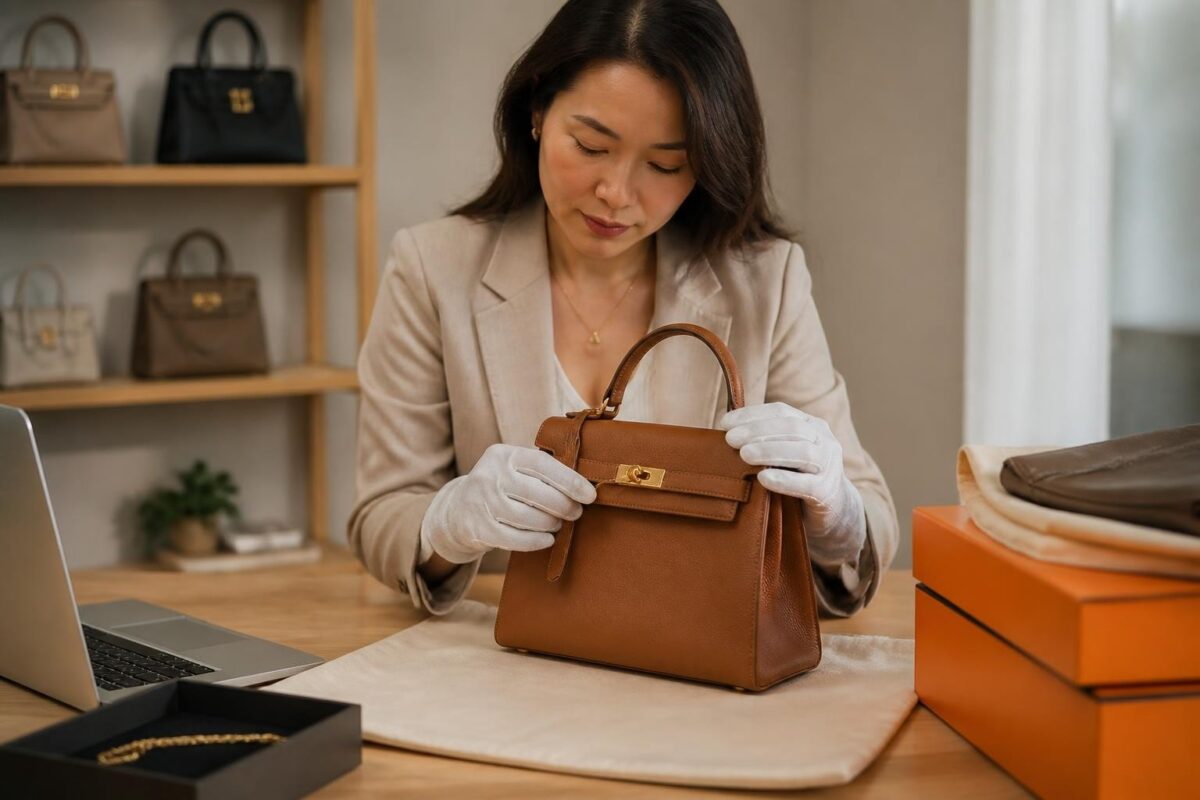
1. Corners and Edges
Look for rubbing, scuffing, discoloration or loss of structure.
2. Handles and Strap
Examine attachment points for stretching, creasing or visible wear.
3. Hardware
Look for scratches, tarnishing and signs of excessive use.
4. Interior
Check for stains, marks, odors and general wear.
5. Leather
Inspect for scratches, dryness, discoloration, cracking or previous restoration.
6. Shape
The curved structure should be examined carefully for deformation.
7. Accessories
Confirm exactly which original accessories accompany the handbag.
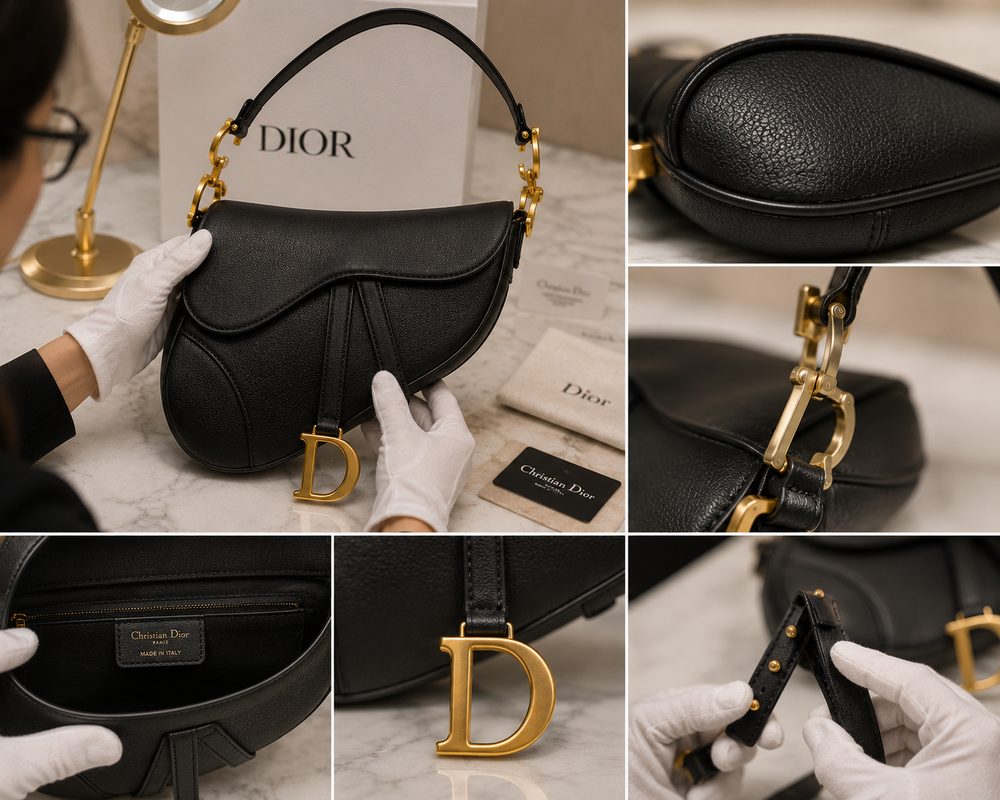
How to Authenticate a Designer Saddle Bag
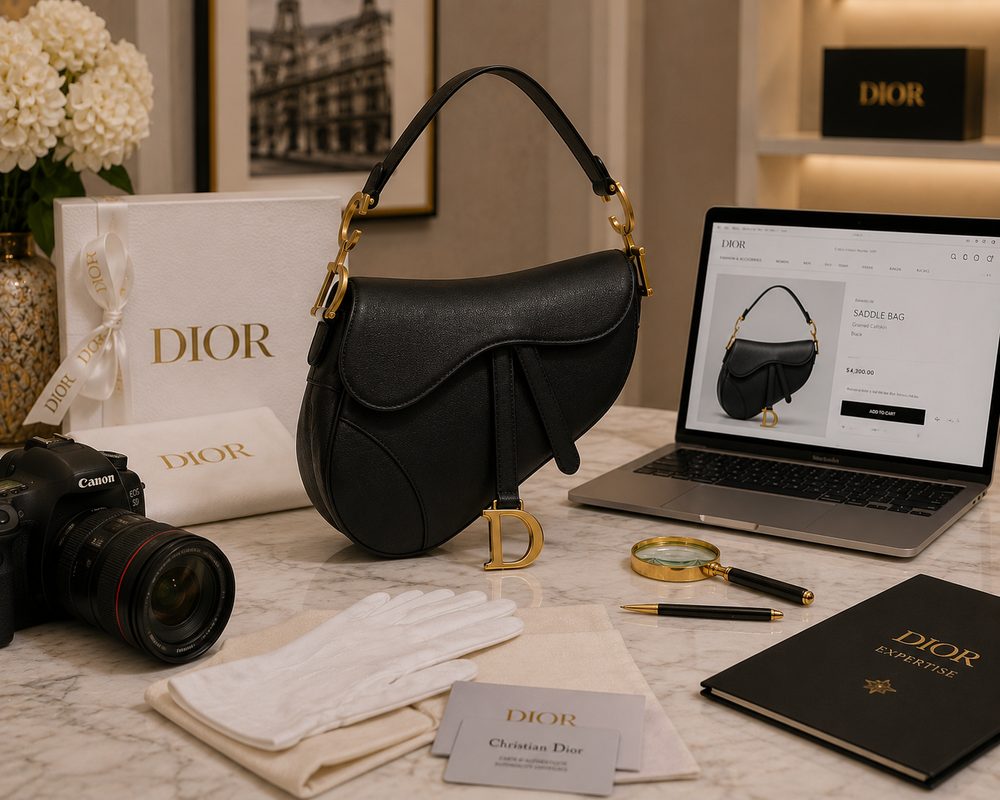
Authentication should be treated as an important part of purchasing a high-value pre-owned handbag.
The process should consider the entire handbag rather than relying on one detail.
Depending on the brand and production era, relevant characteristics may include:
- Construction
- Stitching
- Leather
- Hardware
- Branding
- Interior
- Date or production information
- Proportions
- Materials
- Model-specific characteristics
A receipt, box, dust bag or serial/date information should not be treated as independent proof of authenticity.
For collectors purchasing valuable luxury handbags, professional evaluation can provide additional confidence.
BirkinVault similarly emphasizes authentication and detailed examination across its Hermès-focused content.
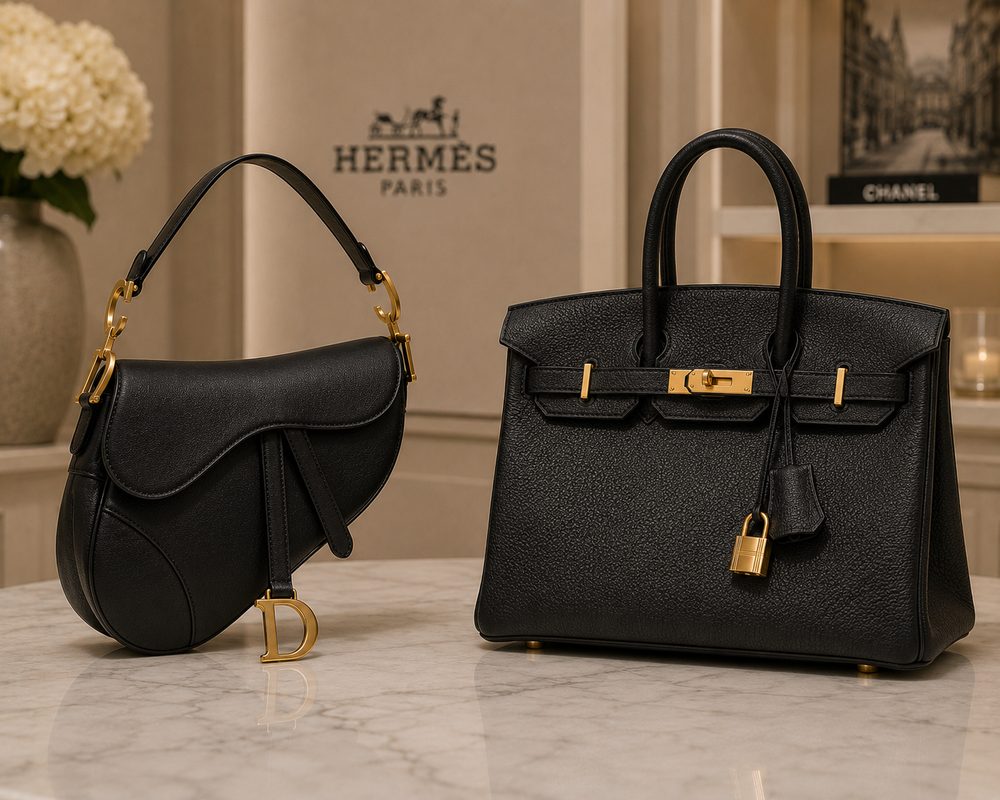
Designer Saddle Bag vs Hermès Birkin
Although the two styles are very different, comparing them can be useful for luxury collectors.
| Feature | Designer Saddle Bag | Hermès Birkin |
|---|---|---|
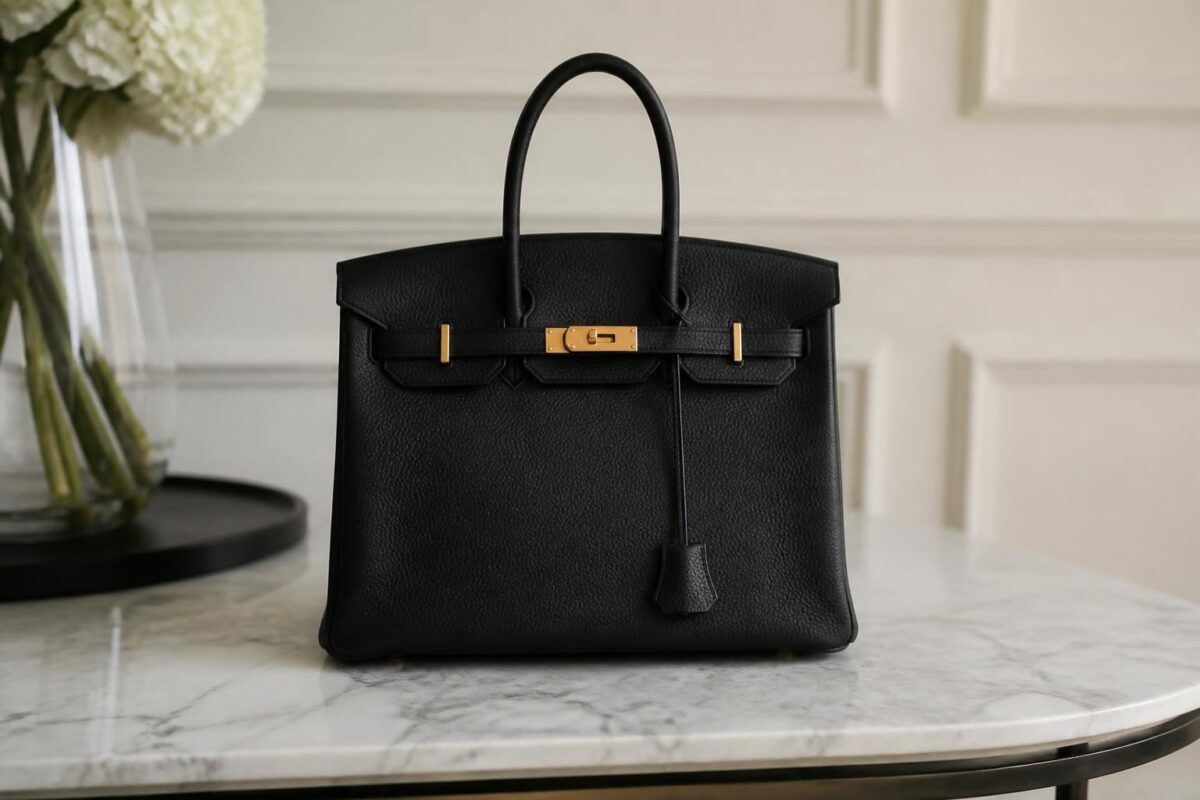
| Shape | Curved/equestrian-inspired | Structured trapezoidal |
| Carrying style | Often shoulder/crossbody | Primarily handheld/arm carry |
| Design identity | Curved silhouette | Signature Birkin construction |
| Collector focus | Brand, era, material and rarity | Size, leather, color, hardware and rarity |
| Styling | Often contemporary | Classic and highly structured |
| Collector market | Varies by brand and model | Strong global collector interest |
The choice ultimately comes down to personal taste.
Someone attracted to a distinctive curved silhouette may prefer a saddle bag, while someone interested in Hermès craftsmanship and the Birkin’s iconic construction may prefer a Birkin.
For collectors interested specifically in Hermès, BirkinVault’s comprehensive Birkin guide covers sizes, leathers, colors and collector considerations in greater depth.
Does a Designer Saddle Bag Hold Its Value?
Resale value depends heavily on the individual handbag.
There is no universal percentage that applies to every designer saddle bag.
Factors that can influence resale demand include:
- Brand
- Model
- Age
- Condition
- Material
- Color
- Hardware
- Rarity
- Limited-edition status
- Provenance
- Current fashion demand
Vintage pieces with strong cultural or fashion significance can attract collectors, while condition and authenticity remain critical.
Rather than assuming a handbag will appreciate, collectors should evaluate its desirability and market history carefully.
Are Vintage Designer Saddle Bags Worth Buying?
For the right collector, absolutely.
Vintage pieces can offer something that a new handbag cannot: fashion history.
A vintage saddle bag may represent a particular designer’s creative period, an influential collection or an important era in fashion.
However, vintage does not automatically mean valuable.
Look carefully at:
- Condition
- Authenticity
- Restoration
- Material
- Production period
- Originality
- Current collector demand
A beautifully preserved vintage piece with strong provenance can be particularly appealing.
How to Care for a Designer Saddle Bag
Proper storage can help preserve the condition of a luxury handbag.
Store It Upright
Support the bag appropriately so the curved body retains its intended shape.
Use a Breathable Dust Bag
Protect the handbag from dust while allowing appropriate airflow.
Avoid Direct Sunlight
Extended exposure can affect some leathers and colors.
Avoid Excessive Moisture
Leather and moisture are not a good combination.
Don’t Overfill
Excessive contents can place unnecessary stress on the bag’s structure and attachments.
Handle With Clean Hands
Oils, cosmetics and other substances can transfer onto leather.
Don’t Experiment With Household Cleaners
Luxury leather can react unpredictably to unsuitable cleaning products.
For significant restoration or cleaning, use a qualified luxury leather specialist.
What Makes a Luxury Handbag Collectible?
The most interesting luxury handbags often combine several desirable characteristics.
Rarity
Limited production or discontinued configurations can attract collector interest.
Craftsmanship
High-quality construction remains fundamental to luxury collecting.
Historical Significance
A handbag connected to an important designer or fashion period can have additional cultural appeal.
Condition
Excellent condition can make a major difference to desirability.
Material
Special leathers and unusual materials can distinguish one piece from another.
Provenance
Where appropriate and verifiable, documented history can add context to an exceptional handbag.
Brand Heritage
The reputation and history of the fashion house remain important factors in the luxury market.
Buying a Designer Saddle Bag Online
Before completing a high-value purchase, ask:
Is the handbag authentic?
Is the condition clearly disclosed?
Are there detailed photographs?
Is the leather or material identified correctly?
Are all imperfections disclosed?
What accessories are included?
Is the seller’s return policy clear?
Are payment and shipping terms transparent?
These questions are particularly important when purchasing pre-owned luxury.
The BirkinVault Approach to Luxury Collecting
Although the designer saddle bag is a distinct handbag category, many of the principles that matter to saddle-bag collectors also apply to Hermès collecting: authenticity, condition, craftsmanship, rarity, materials and careful presentation.
BirkinVault focuses specifically on authentic Hermès Birkin handbags and publishes detailed guides covering Birkin sizes, leather, authentication, pricing and collector considerations.
For collectors who appreciate exceptional luxury craftsmanship, the saddle bag can therefore be an interesting addition to a broader handbag collection.
Frequently Asked Questions About Designer Saddle Bags
What is a designer saddle bag?
A designer saddle bag is a luxury handbag featuring a curved silhouette inspired by an equestrian saddle. Different fashion houses have developed their own versions using different materials, sizes and hardware.
What is the most famous designer saddle bag?
The Dior Saddle Bag is one of the most recognizable examples of the category and has a strong connection to late-1990s and early-2000s fashion.
Are designer saddle bags still fashionable?
Yes. Their distinctive silhouette continues to appeal to luxury buyers, vintage collectors and consumers interested in fashion-history pieces.
Are vintage saddle bags worth more?
Not necessarily. Vintage status alone does not guarantee a higher value. Condition, authenticity, rarity, material, model and current demand all matter.
What should I check before buying a pre-owned saddle bag?
Inspect the leather, corners, edges, hardware, strap attachments, interior, shape, branding, production details and included accessories.
Can a saddle bag be an investment?
Some luxury handbags can maintain strong secondary-market demand, but future appreciation is never guaranteed. Buyers should consider collector appeal and personal enjoyment rather than purchasing solely on the expectation of profit.
How should I store a designer saddle bag?
Store it in a suitable dust bag away from direct sunlight, excessive humidity and extreme temperatures. Avoid overfilling and support the bag appropriately to help preserve its shape.
Is a designer saddle bag better than a Birkin?
They serve different aesthetic purposes. A saddle bag emphasizes a curved, fashion-forward silhouette, while a Birkin emphasizes structured construction and Hermès craftsmanship. The better choice depends on the collector.
Discover Exceptional Luxury Handbags With BirkinVault
A designer saddle bag is more than a distinctive shape.
It can represent fashion history, craftsmanship, cultural influence and the evolving world of luxury collecting.
Whether you are drawn to a vintage saddle silhouette, a contemporary designer interpretation or the timeless construction of an Hermès Birkin, the smartest purchase begins with careful research.
At BirkinVault, our focus remains on exceptional Hermès handbags, with particular attention to authenticity, condition, craftsmanship, rarity and collector appeal.
Explore the latest Hermès Birkin collection or browse our luxury handbag guides to learn more about the world of collectible handbags.