
 Curations



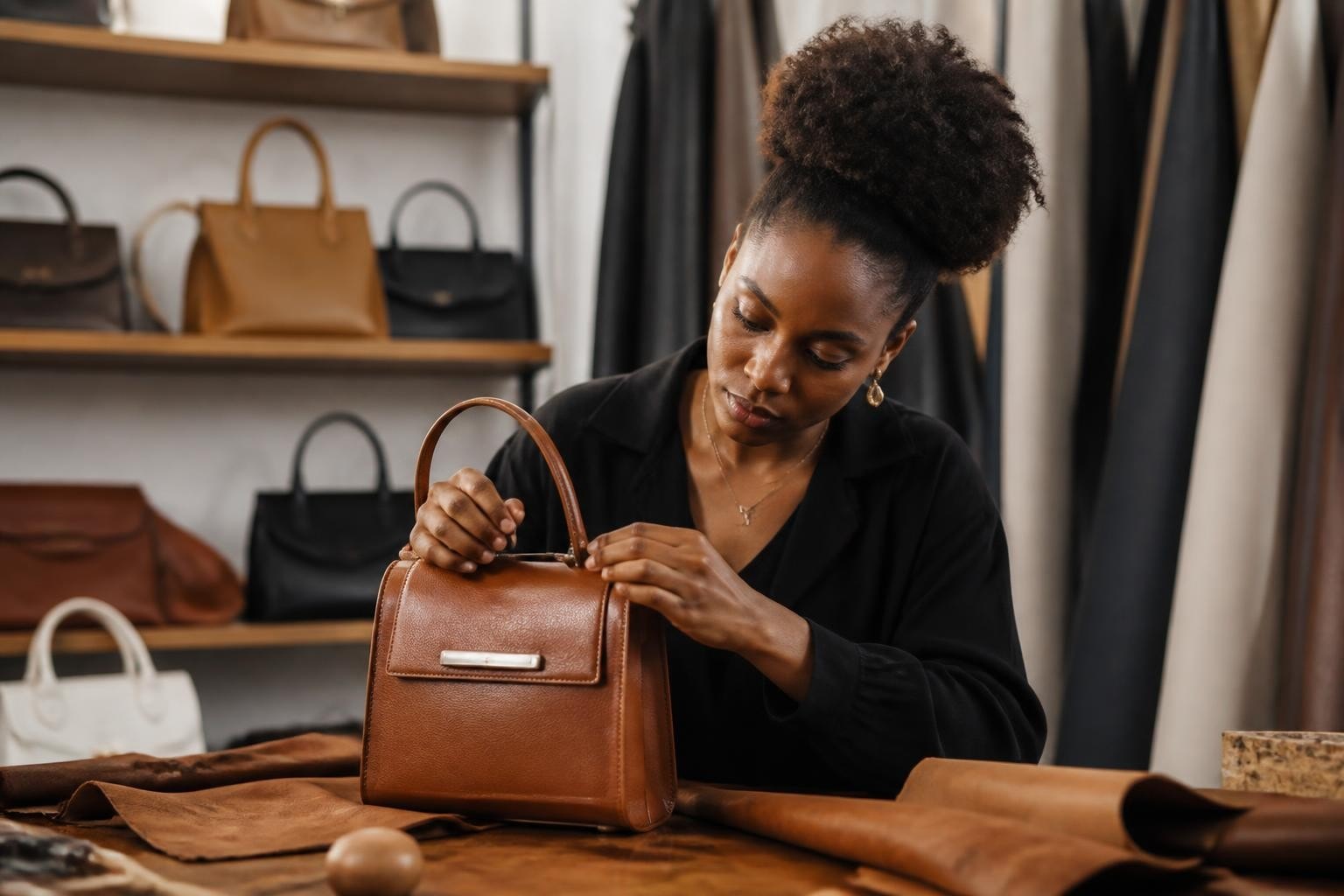
The luxury handbag market has witnessed a remarkable transformation as Black designers continue to establish themselves as powerful forces in high-end fashion. These creators bring fresh perspectives, innovative designs, and unparalleled craftsmanship to an industry that has historically lacked diversity. Black owned designer handbags represent more than just accessories-they embody cultural narratives, entrepreneurial excellence, and a commitment to quality that rivals the most established European fashion houses. As collectors and fashion enthusiasts increasingly seek authenticity and meaningful purchases, understanding the landscape of Black-owned luxury handbag brands becomes essential for making informed investment decisions in 2026.
The Rise of Black Designers in Luxury Fashion
Black designers have systematically challenged the traditional gatekeepers of luxury fashion, creating spaces where their unique visions can flourish. The handbag sector, in particular, has become a proving ground for Black entrepreneurship, with designers leveraging both traditional craftsmanship techniques and modern marketing strategies to build global brands.
This shift reflects broader changes in consumer behavior. Today's luxury shoppers prioritize brand stories, ethical production, and diverse representation alongside quality and design. Black owned designer handbags fulfill these criteria while offering distinctive aesthetics that stand apart from mass-produced alternatives.
Market Growth and Consumer Demand
The market for diverse luxury brands has expanded significantly over the past five years. Industry analysts note that consumers under 40 increasingly research brand ownership and values before making luxury purchases. This demographic shift has created unprecedented opportunities for Black designers to capture market share.
Several factors drive this growth:
- Social media democratization of fashion marketing
- Celebrity endorsements from influential figures
- Increased visibility through fashion week platforms
- Direct-to-consumer models reducing traditional barriers
- Investment in craftsmanship matching heritage brands
Established Black Owned Designer Handbag Brands
Several Black-owned brands have achieved significant recognition in the luxury handbag space, building loyal customer bases and earning critical acclaim. These designers have proven that Black-owned handbag brands can compete at the highest levels of fashion.
Brandon Blackwood
Brandon Blackwood has emerged as one of the most recognizable names in contemporary luxury handbags. His brand gained widespread attention for combining bold design elements with accessible luxury pricing. The signature Kendrick Trunk and Kuei bags have become staples among fashion influencers and celebrities alike.
Blackwood's success stems from understanding modern consumer values. His brand emphasizes transparency, sustainability, and community engagement. TIME magazine’s profile of the designer highlighted how he leveraged social media to build a direct relationship with customers, bypassing traditional retail gatekeepers.
Telfar Clemens
Telfar's "Shopping Bag" achieved cultural phenomenon status, though the brand maintains accessible pricing rather than traditional luxury positioning. The distinctive T logo and vegan leather construction represent a different approach to designer handbags-one focused on inclusivity and democratic access to design excellence.
The brand's "Bag Security Program" addressed supply chain challenges while building customer loyalty. This innovative approach to retail distribution demonstrates how Black designers are reshaping industry practices.
Hanifa
Designer Anifa Mvuemba built Hanifa into a powerhouse brand known for innovative digital presentations and sophisticated designs. While primarily recognized for ready-to-wear, the brand's handbag collections showcase meticulous attention to detail and modern femininity. The signature curved silhouettes and rich color palettes distinguish Hanifa accessories in a crowded marketplace.
Emerging Designers Reshaping Luxury Standards
Beyond established names, numerous emerging Black designers are creating black owned designer handbags that push creative boundaries while maintaining exceptional quality standards. These brands represent the future of luxury accessories, offering fresh perspectives and innovative designs.
| Designer | Signature Style | Price Range | Key Feature |
|---|---|---|---|
| Kai Collective | Minimalist structures | $300-$800 | Architectural lines |
| Brother Vellies | Artisan craftsmanship | $400-$1,200 | Global inspiration |
| Ashya | Sculptural forms | $350-$900 | Geometric designs |
| BURU | Functional elegance | $250-$650 | Convertible styles |
Craftsmanship and Materials
Emerging designers often emphasize material innovation and ethical sourcing. Many partner with artisan communities globally, creating supply chains that support traditional craftsmanship while meeting luxury quality standards. This approach resonates with consumers who value sustainability alongside aesthetics.
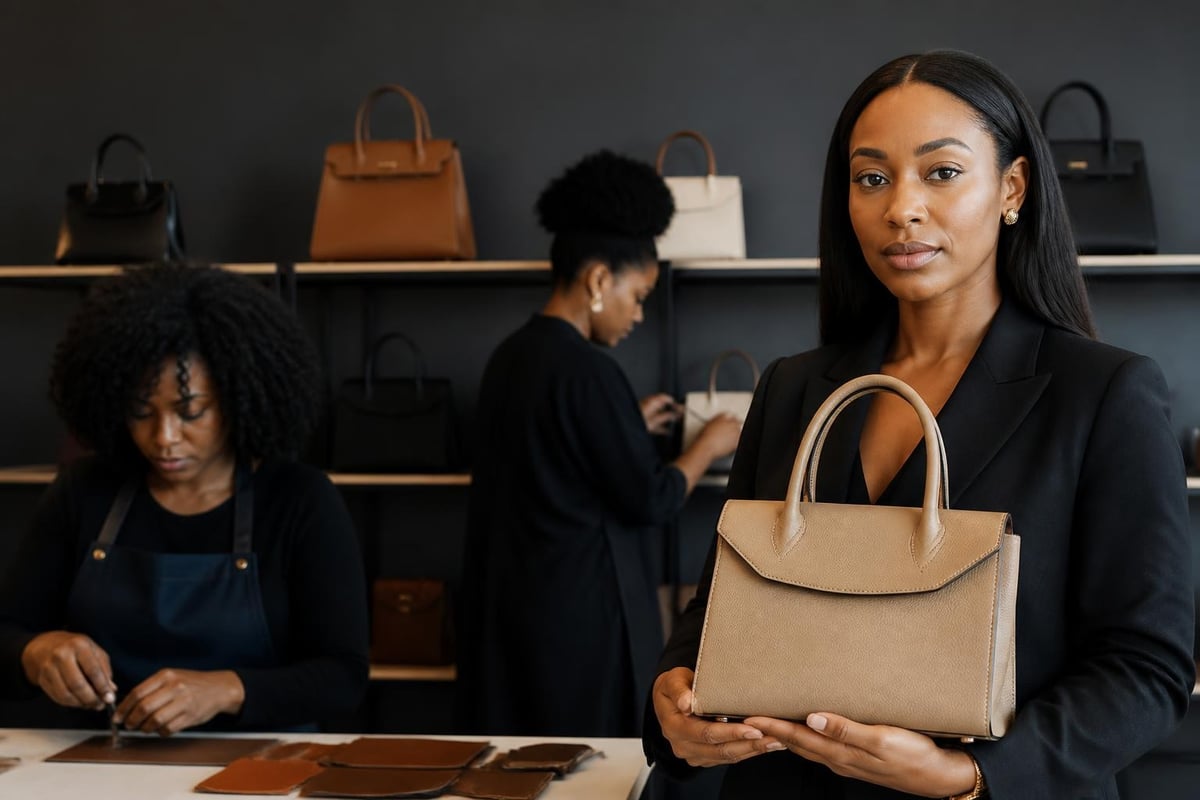
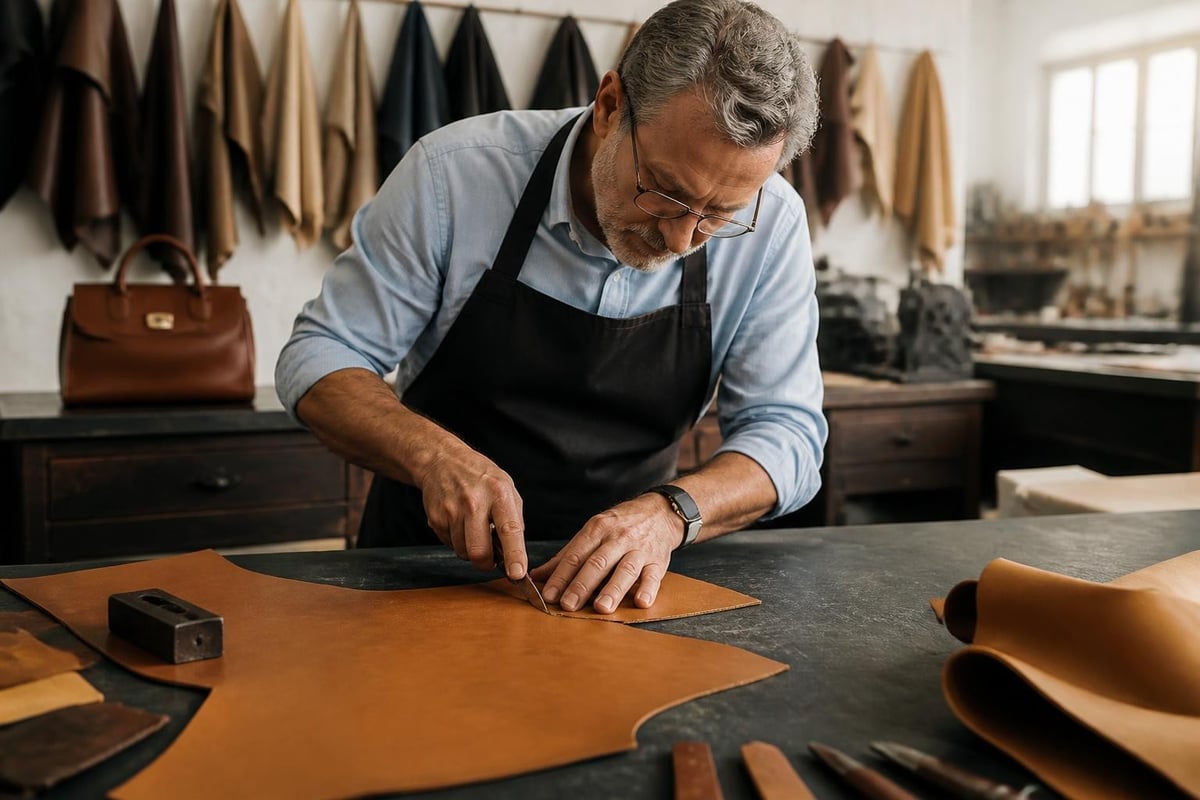
The attention to construction details-from hand-stitching to hardware selection-demonstrates that black owned designer handbags compete directly with heritage luxury brands in terms of quality. Several designers have invested in training programs to develop skilled artisans, ensuring their brands can scale without compromising craftsmanship.
Investment Value and Resale Potential
Luxury handbags have increasingly been recognized as legitimate investment vehicles, with certain styles appreciating significantly over time. Black owned designer handbags are beginning to establish similar patterns in the secondary market, though the landscape differs from traditional luxury houses.
Factors Affecting Resale Value
Several elements determine whether a designer handbag maintains or increases value:
- Brand recognition and prestige
- Production quantity and exclusivity
- Material quality and durability
- Condition and provenance documentation
- Cultural significance and celebrity association
For Black-owned brands, additional factors include social media presence, collaboration history, and the designer's career trajectory. Limited edition releases from established Black designers have shown strong secondary market performance, particularly pieces associated with significant cultural moments or celebrity endorsements.
Building a Collectible Portfolio
Collectors interested in black owned designer handbags should consider diversification across established and emerging designers. Unlike traditional luxury houses with decades of resale data, these brands require different evaluation criteria.
Key investment considerations include:
- Designer reputation and industry recognition
- Production methods and material quality
- Brand longevity and business stability
- Market demand indicators through social media engagement
- Authenticity verification capabilities
The authentication process for emerging luxury brands presents unique challenges. Unlike established houses with extensive archives and authentication services, newer brands may lack comprehensive databases. Collectors should maintain original receipts, packaging, and documentation to establish provenance.
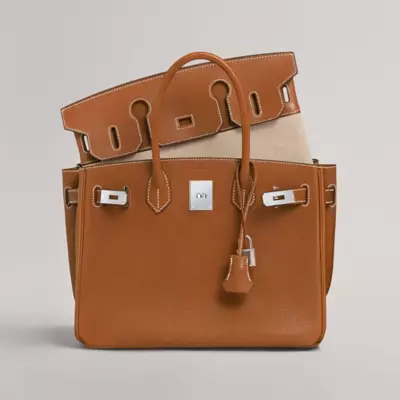
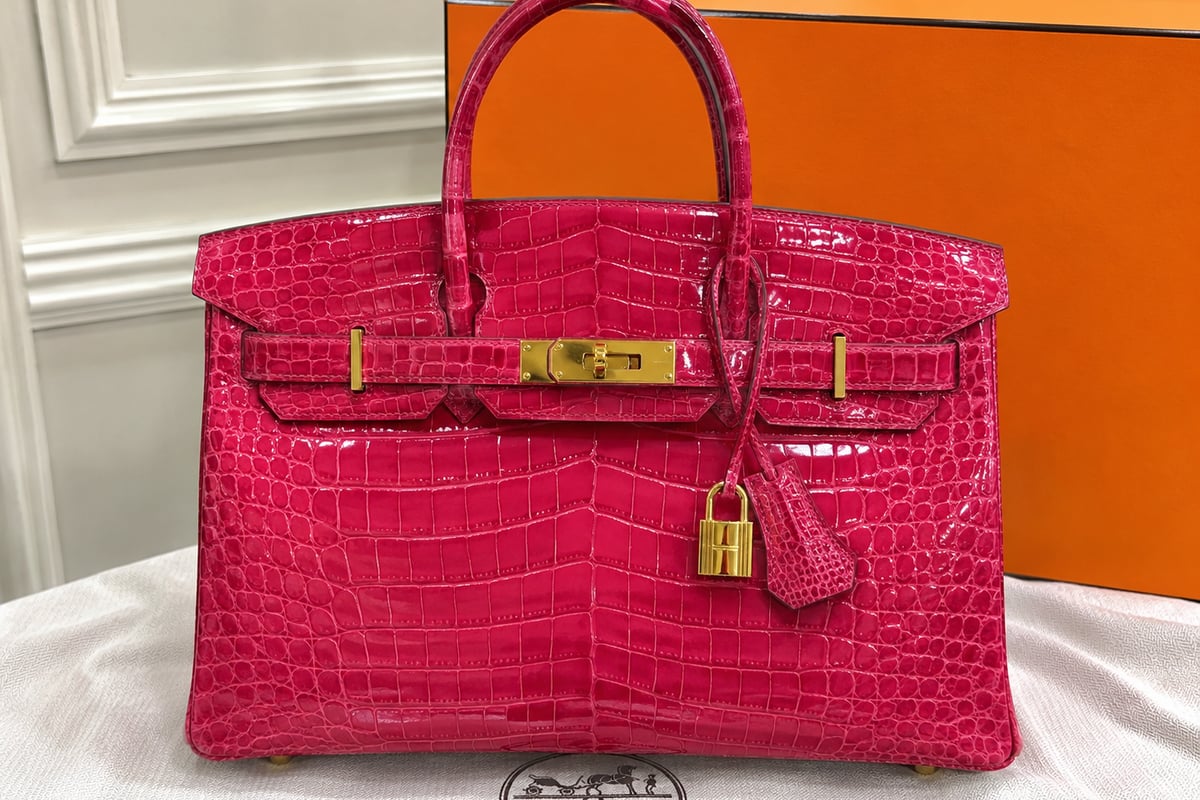
For those building luxury handbag collections, the investment potential of authenticated pieces from heritage brands like Birkin bags offers a proven track record. However, incorporating select pieces from Black-owned designers adds cultural significance and portfolio diversity while supporting entrepreneurship in the luxury sector.
Styling and Versatility Across Collections
Black owned designer handbags offer remarkable versatility, with many designers intentionally creating pieces that transition seamlessly between casual and formal contexts. This practical approach to luxury reflects modern lifestyle demands where consumers expect investments to serve multiple purposes.
Everyday Luxury
Many Black designers prioritize functionality alongside aesthetics, creating structured totes, crossbody bags, and backpacks that accommodate contemporary professional needs. These pieces often feature:
- Multiple compartments for organization
- Adjustable straps for comfort and styling options
- Durable hardware ensuring longevity
- Neutral colorways with bold accent options
- Protective feet maintaining bag structure
The emphasis on wearability distinguishes many black owned designer handbags from purely decorative luxury pieces. Designers understand their customers lead multifaceted lives requiring accessories that perform across various contexts.
Statement Pieces and Special Occasions
Beyond everyday functionality, Black designers create show-stopping evening bags and artistic pieces that serve as conversation starters. These designs often incorporate cultural references, innovative materials, or sculptural elements that elevate them beyond conventional luxury accessories.
| Occasion | Recommended Style | Designer Examples | Key Features |
|---|---|---|---|
| Business meetings | Structured tote | Hanifa, Kai Collective | Professional silhouette, laptop-friendly |
| Evening events | Clutch or minaudière | Brother Vellies, Ashya | Embellishment, compact size |
| Casual outings | Crossbody or hobo | BURU, Telfar | Hands-free, relaxed aesthetic |
| Travel | Weekender or duffel | Brandon Blackwood | Spacious, durable construction |
Supporting Black Entrepreneurship in Luxury Fashion
Purchasing black owned designer handbags extends beyond individual style choices to represent conscious participation in reshaping the fashion industry's power structures. Consumer decisions directly impact which designers receive funding, retail opportunities, and media coverage necessary for long-term success.
Direct-to-Consumer Advantages
Many Black-owned brands utilize direct-to-consumer models, allowing customers to purchase directly from brand websites rather than through department stores or multi-brand retailers. This approach offers several benefits:
- Better pricing without retail markup
- Direct designer support with higher profit margins
- Exclusive access to limited releases
- Personal customer service and brand connection
- Transparent business practices and production insights
The direct relationship between designers and customers fosters community and loyalty. Many brands maintain active social media presences where designers personally engage with customers, share behind-the-scenes content, and solicit feedback on designs.
Retailer Partnerships and Accessibility
While direct purchasing supports designers maximally, partnerships with select retailers have expanded accessibility for black owned designer handbags. Specialty boutiques and department stores increasingly dedicate space to diverse designers, introducing these brands to customers who might not discover them independently.
Curated lists from fashion publications help consumers navigate the expanding landscape of Black-owned luxury brands, highlighting designers at various price points and style aesthetics.
Authentication and Quality Assurance
As black owned designer handbags gain market recognition, ensuring authenticity becomes increasingly important. Unlike heritage luxury brands with established authentication protocols, emerging brands require different verification approaches.
Identifying Authentic Pieces
Authentic designer handbags from Black-owned brands typically feature:
- Consistent logo placement and hardware quality
- High-quality materials with proper finishing
- Even stitching and precise construction
- Original packaging including dust bags and authenticity cards
- Registered serial numbers or unique identifiers
Purchasing directly from brand websites or authorized retailers provides the strongest authenticity guarantee. The secondary market for these pieces is still developing, making due diligence essential when buying pre-owned items.
Care and Maintenance
Proper care ensures black owned designer handbags maintain their beauty and value over time. Most luxury handbags require:
- Regular cleaning with appropriate leather care products
- Professional conditioning to prevent drying and cracking
- Proper storage in dust bags away from direct sunlight
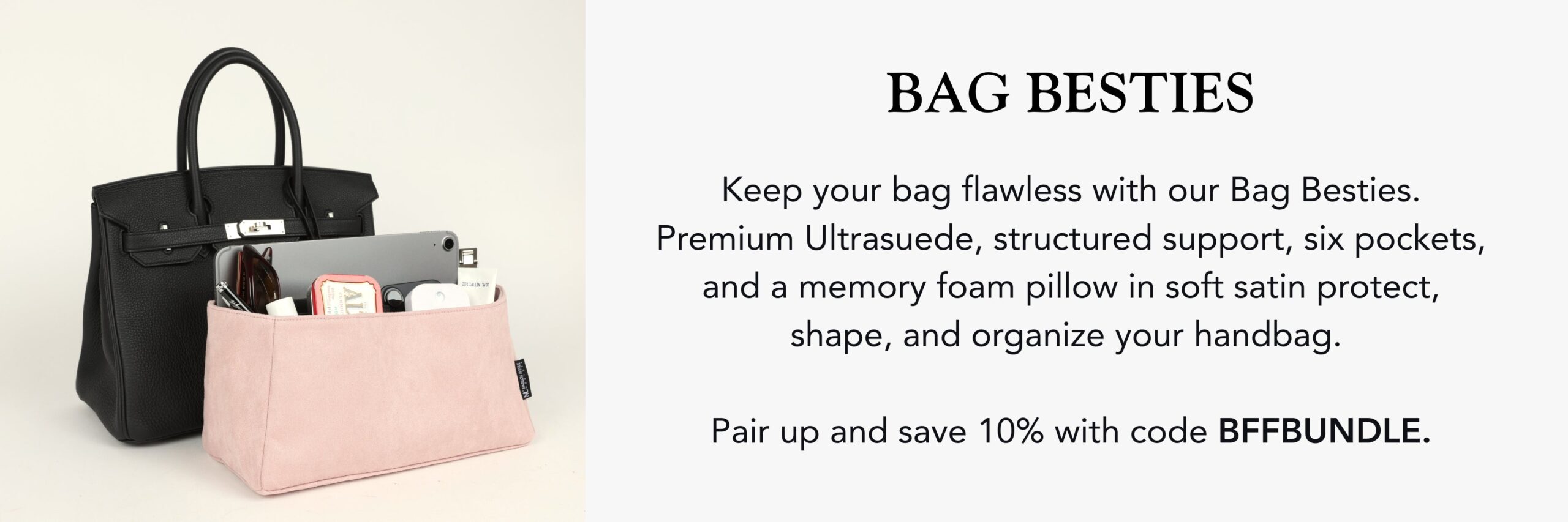
- Structured stuffing to maintain shape when not in use
- Immediate attention to stains or damage
Many designers provide care instructions specific to their materials and construction methods. Following these guidelines protects your investment and ensures longevity.
The Cultural Impact Beyond Fashion
Black owned designer handbags represent more than commercial products-they embody cultural narratives, historical reclamation, and future possibilities for Black excellence in luxury markets. Each purchase supports broader ecosystem development, from manufacturing facilities to retail partnerships to media representation.
Representation in Luxury Spaces
The presence of Black designers in luxury fashion challenges historical exclusion and creates pathways for future generations. When established fashion institutions recognize and celebrate Black designers, they validate diverse aesthetic perspectives and business approaches.
This representation impacts aspiring designers who see themselves reflected in industry leadership. Publications highlighting Black-owned brands normalize Black presence in luxury spaces, gradually shifting industry demographics and power structures.
Economic Empowerment
Black-owned businesses face systemic challenges accessing capital, retail partnerships, and media coverage. Consumer support directly addresses these barriers, demonstrating market demand that attracts investors and partners. Successful black owned designer handbags brands create employment opportunities, support ancillary businesses, and generate wealth within Black communities.
The multiplier effect of supporting Black-owned luxury brands extends throughout supply chains, from material suppliers to marketing agencies to retail employees. This economic impact represents one of the most powerful aspects of conscious luxury consumption.
Navigating Price Points and Value Propositions
Black owned designer handbags span a wide price spectrum, from accessible luxury around $200 to exclusive pieces exceeding $2,000. Understanding value propositions at different price points helps consumers make informed decisions aligned with their budgets and priorities.
Entry-Level Luxury ($200-$500)
This range offers quality construction, thoughtful design, and brand authenticity without extreme price barriers. Designers in this category often use vegan leather or alternative materials, focus on streamlined production, and leverage direct-to-consumer models to maintain accessible pricing.
Value considerations:
- Construction quality relative to price
- Material durability and care requirements
- Brand trajectory and potential appreciation
- Styling versatility across occasions
Mid-Range Designer ($500-$1,200)
Mid-range black owned designer handbags typically feature premium materials, more complex construction, and established brand recognition. These pieces often represent designers who have achieved significant industry validation through awards, celebrity endorsements, or major retail partnerships.
Premium Luxury ($1,200+)
The highest tier includes limited production pieces, exotic materials, and brands with substantial market recognition. These handbags compete directly with established luxury houses in terms of materials, craftsmanship, and exclusivity.
Investment at this level requires careful consideration of resale potential, brand stability, and personal aesthetic alignment. Limited editions and collaboration pieces typically command premium prices and may appreciate in secondary markets.
Future Trends in Black-Owned Luxury Handbags
The trajectory for black owned designer handbags suggests continued growth, innovation, and market integration through 2026 and beyond. Several trends are shaping the industry's evolution.
Sustainability and Ethical Production
Environmental consciousness increasingly influences luxury purchases, with consumers demanding transparency about materials and production methods. Black designers are leading innovation in sustainable luxury, exploring plant-based leathers, recycled materials, and circular business models.
This emphasis on sustainability aligns with broader luxury market trends while differentiating Black-owned brands through values-driven business practices. Consumers willing to invest in black owned designer handbags often prioritize these ethical considerations alongside aesthetics and quality.
Digital Innovation and Virtual Experiences
Technology continues transforming how consumers discover and purchase luxury handbags. Black designers have proven particularly adept at leveraging digital platforms, from Instagram marketing to virtual fashion shows to NFT collections. This digital fluency positions Black-owned brands advantageously as luxury increasingly moves online.
Collaborative Opportunities
Partnerships between Black designers and established luxury houses, major retailers, and cultural institutions are expanding. These collaborations provide capital, manufacturing expertise, and distribution channels while introducing Black aesthetic perspectives to broader audiences.
Fashion platforms increasingly feature diverse designers, creating discovery opportunities and market validation that supports long-term brand building.
Supporting black owned designer handbags enriches the luxury market through diverse perspectives, exceptional craftsmanship, and meaningful cultural narratives. These brands deserve recognition not merely for representation but for their genuine contributions to design excellence and industry innovation. Whether you're building a collection of contemporary pieces or seeking investment-grade luxury handbags, BirkinVault offers authenticated Hermès Birkin bags with worldwide shipping, ensuring your luxury investments meet the highest standards of quality and authenticity.